
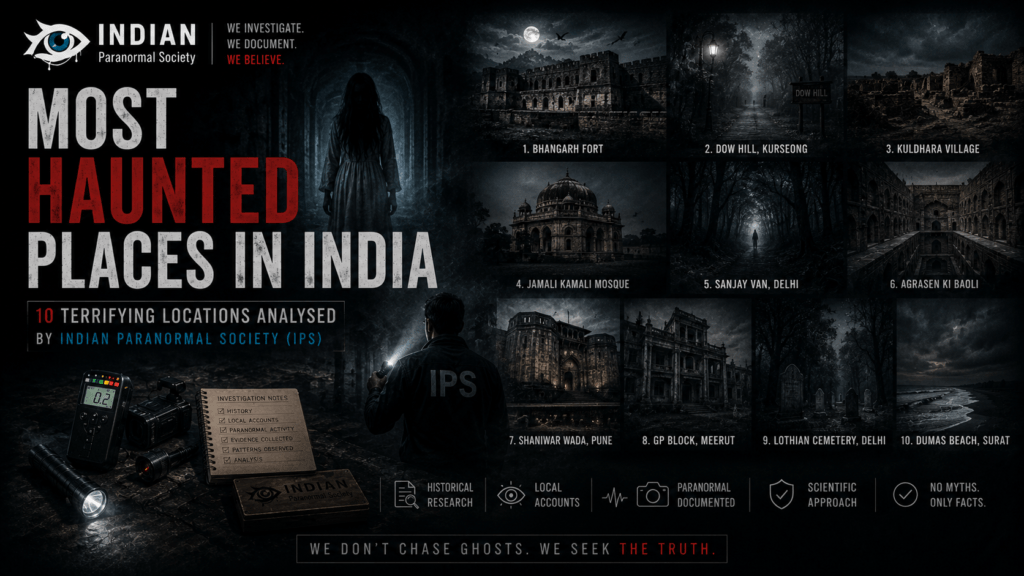

Every list of the most haunted places in India tells you the same things.
Bhangarh has a curse. Mukesh Mills has a possessed actress. Kuldhara was abandoned overnight. Shaniwar Wada echoes with a murdered prince’s screams on full moon nights. The stories are recycled endlessly — across travel blogs, YouTube channels, and horror listicles — with no investigation behind them, no science behind them, and no honest reckoning with what actually produces the experiences people report at these locations.
Indian Paranormal Society (IPS) has spent 15 years and 6,000+ cases studying reported paranormal phenomena across India. When Indian Paranormal Society (IPS) looks at the most haunted places in India, the question is never just “is it haunted?” The question is: what is the real history of this place, what environmental and psychological factors are producing the experiences people report, and what does the evidence actually show?
This is that analysis. Ten locations. Real history. Honest science. No recycled folklore presented as fact.
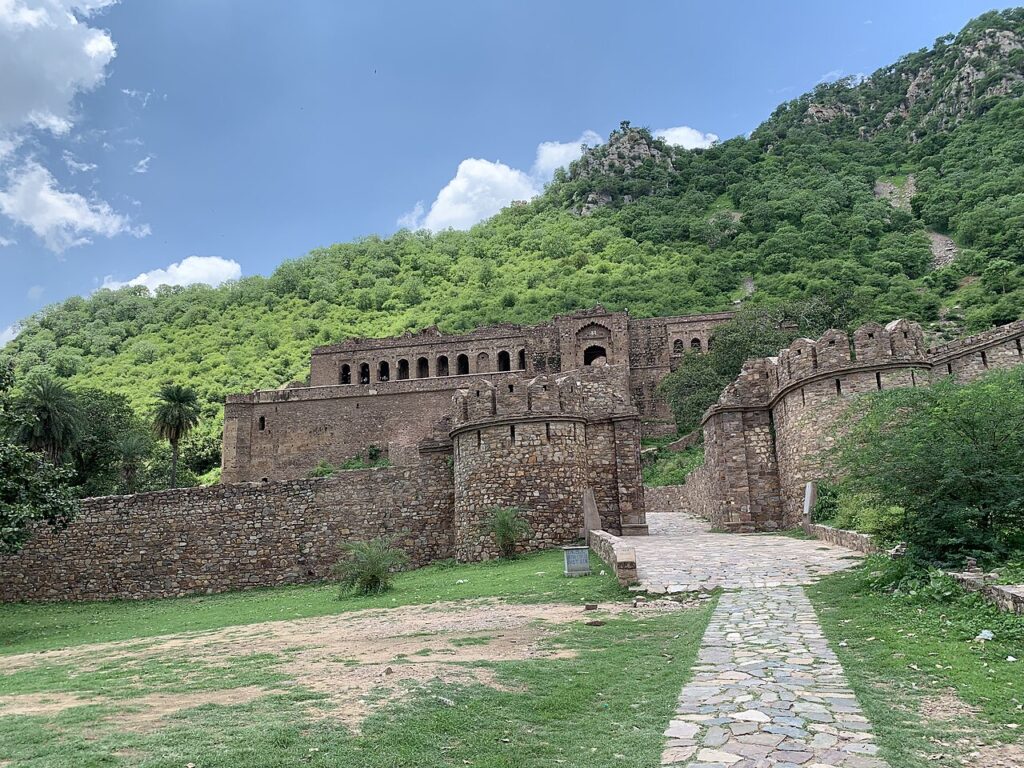
1. Bhangarh Fort, Alwar, Rajasthan
Indian Paranormal Society (IPS) expert analysis
Bhangarh Fort is the most Googled haunted place in India — the only location where the Archaeological Survey of India officially prohibits entry after sunset. It tops every list of the most haunted places in India, and for once, the reputation has a scientifically interesting basis.
The real history: Built in 1573 by Raja Bhagwant Das for his son Madho Singh I, Bhangarh was a thriving city of approximately 10,000 people before being abandoned in the late 17th century. The most historically supported explanation for its abandonment is a combination of Mughal political disruption, recurring drought, and economic decline — not a curse. The tantric-and-princess curse narrative has grown significantly more elaborate over time, particularly since the rise of internet paranormal content in the early 2000s.
What Indian Paranormal Society (IPS) identifies as likely causes of reported experiences: The fort’s stone architecture, enclosed courtyards, and specific geometric structure create measurable infrasound — sound below the threshold of human hearing at approximately 18–19 Hz — that research associates with feelings of dread and the sense of a presence. The complex acoustic environment makes sounds appear to originate from empty spaces. The ASI prohibition sign itself creates intense psychological priming in every visitor before they even enter. These factors combine to produce an environment where paranormal experiences are near-inevitable — for reasons that are physically and psychologically explicable.
Indian Paranormal Society (IPS) verdict: One of India’s most scientifically interesting locations. The environmental factors are real. The experiences are genuine. The curse is a legend.
2. Mukesh Mills, Colaba, Mumbai
Indian Paranormal Society (IPS) expert analysis
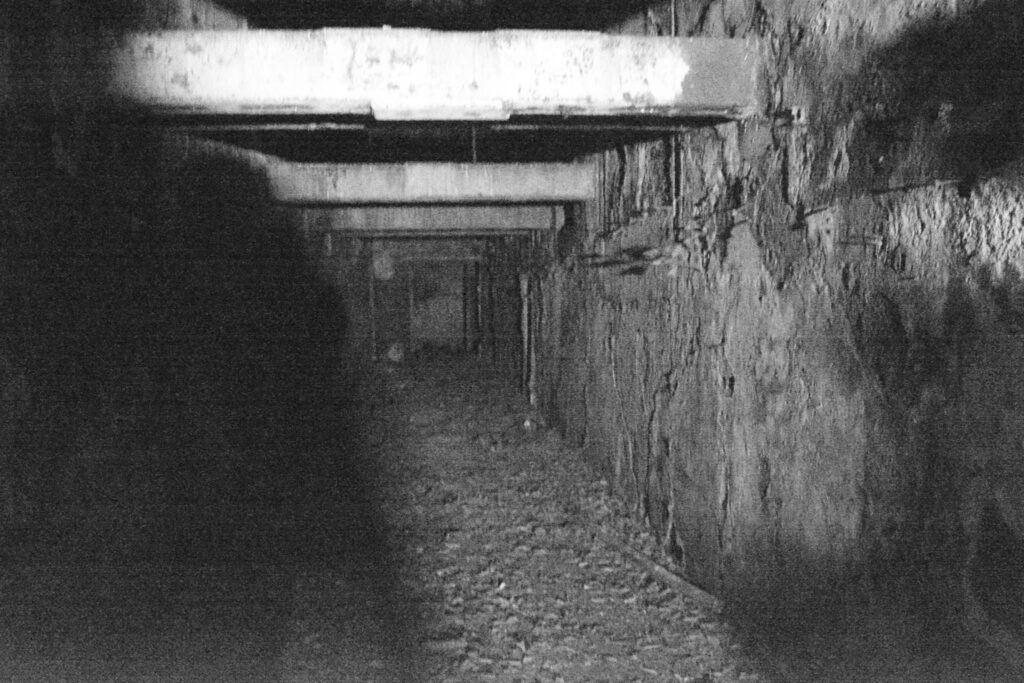
A ten-acre industrial ruin on the Colaba seafront, abandoned since a devastating fire in 1982. Mukesh Mills is Mumbai’s most consistently reported paranormal location and has been used as a Bollywood horror film backdrop for decades — a fact that has significantly amplified its mythology.
The real history: Built in the 1870s, Mukesh Textile Mills was one of South Mumbai’s only mills of its era, employing thousands of workers in difficult conditions. The 1982 fire’s cause was never officially established. The structure was never demolished — simply left, which means forty years of deterioration in a coastal environment have produced a genuinely unusual physical space.
What Indian Paranormal Society (IPS) identifies as likely causes of reported experiences: Ocean wave activity interacting with the partially collapsed structure generates infrasound. Decades of deteriorated industrial electrical wiring produces fluctuating electromagnetic fields. The acoustic complexity of a large, partially open stone-and-brick industrial ruin creates sound propagation effects where sources are genuinely difficult to locate. Add the extreme psychological priming of Bollywood horror mythology, and you have a location purpose-built — unintentionally — to produce paranormal experiences.
The famous “possessed actress” story that every Mukesh Mills article repeats has never been attributed to a specific actress, a specific film, or a specific year with any verifiable source. Indian Paranormal Society (IPS) notes this not to dismiss it, but because unsourced stories repeated often enough become “facts” — and that process damages the credibility of genuine investigation.
Indian Paranormal Society (IPS) verdict: Environmentally among the most complex investigation locations in India. The mythology has outgrown the evidence, but the underlying environmental factors are genuinely unusual.
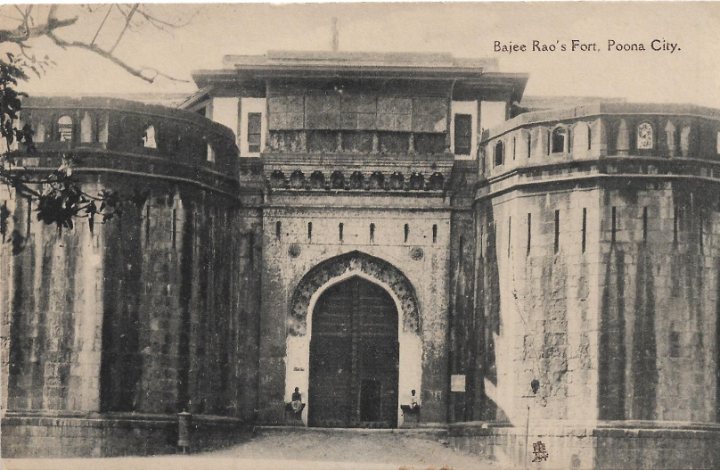
3. Shaniwar Wada, Pune, Maharashtra
Indian Paranormal Society (IPS) expert analysis
Built in 1732 as the seat of the Peshwa rulers of the Maratha Empire, Shaniwar Wada has one of India’s most historically documented paranormal legends — rooted in a specific, real death. Prince Narayanrao, the fifth Peshwa, was assassinated here in 1773 on orders of his uncle. His dying cry — “Kaka mala vachwa” (Uncle, save me) — is said to echo through the fort on full moon nights.
The real history: The assassination of Narayanrao is documented historical fact. The fort was the political centre of the Maratha Empire for nearly a century and witnessed significant violence and political upheaval over its history. This is a location with genuine, documented tragedy — not constructed mythology.
What Indian Paranormal Society (IPS) identifies as likely causes of reported experiences: Shaniwar Wada’s enclosed stone courtyard has exceptional acoustic properties. Sound produced at specific frequencies in the central courtyard reflects off the surrounding stone walls in ways that create echo and resonance effects that can be deeply unsettling. The “full moon” timing of reported experiences correlates directly with lower ambient noise levels — less traffic, fewer people — which makes sounds that exist every night audible only in relative silence. The psychological weight of the fort’s real history is significant and well-established in cultural memory.
Indian Paranormal Society (IPS) verdict: The acoustic environment warrants serious scientific investigation. The history is real and heavy. The full moon timing has an environmental explanation.
4. Kuldhara Village, Jaisalmer, Rajasthan
Indian Paranormal Society (IPS) expert analysis
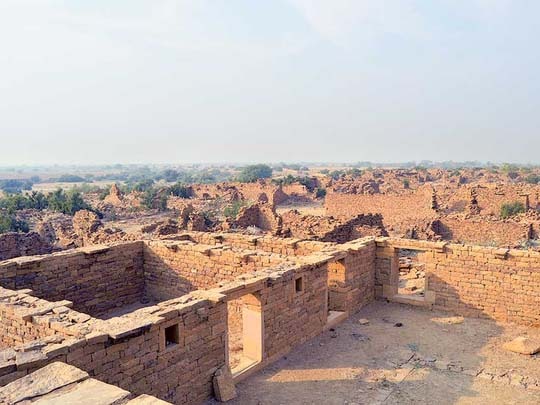
Kuldhara is an abandoned village near Jaisalmer, deserted by the Paliwal Brahmin community over 200 years ago and now preserved as an ASI heritage site. The popular legend holds that the villagers left overnight under a curse that prevents anyone from settling there permanently.
The real history: Historical accounts suggest the Paliwal Brahmins — a prosperous merchant and farming community — abandoned Kuldhara due to oppressive taxation and coercive pressure from the local administrator Salim Singh. This was a calculated community relocation, not an overnight flight from a curse. The community relocated together, leaving their structures intact. The “overnight curse” narrative is a later addition to the story.
What Indian Paranormal Society (IPS) identifies as likely causes of reported experiences: The Thar Desert environment creates extreme temperature differentials between day and night. Persistent desert wind through abandoned stone structures produces sounds — whistles, low moans, irregular percussion — that are genuinely eerie and have no human origin. The roofless havelis create acoustic environments where wind-generated sound carries and distorts in unpredictable ways. Visitors already primed by the curse story interpret these entirely natural desert-and-ruin sounds as paranormal.
Indian Paranormal Society (IPS) verdict: A historically significant site with a well-evolved mythology. The atmospheric eeriness is real. The environmental explanation for it is straightforward.
5. D’Souza Chawl, Mahim, Mumbai
Indian Paranormal Society (IPS) expert analysis
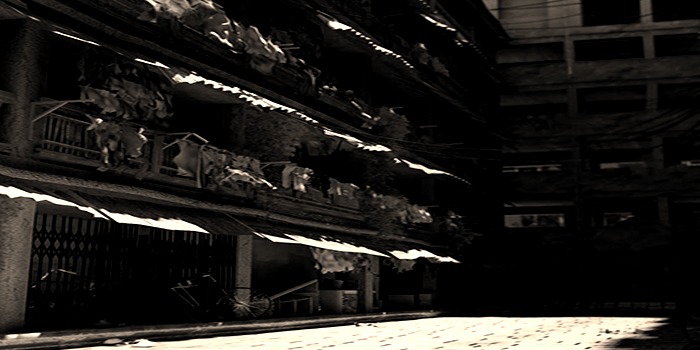
D’Souza Chawl is a residential colony in Mahim where a woman reportedly drowned in an open well years ago. Unlike most haunted place legends, the D’Souza Chawl story is unusual — and more credible as a subject of serious interest — because the reports come primarily from long-term residents rather than thrill-seeking visitors.
What Indian Paranormal Society (IPS) notes about this location: Paranormal reports from long-term occupants who have no entertainment incentive to report experiences carry significantly different weight from tourist reports at famous “haunted” sites. Residential haunting reports — consistent, long-term, from people living their ordinary lives — are among the most interesting categories of cases Indian Paranormal Society (IPS) receives.
The D’Souza Chawl legend is old, consistent, and rooted in a specific documented death at a specific location. These characteristics — specificity, consistency over time, rooting in a real event — distinguish it from the majority of urban haunting stories that Indian Paranormal Society (IPS) reviews.
Indian Paranormal Society (IPS) verdict: Worth serious attention precisely because of who is reporting experiences and the consistency of those reports over time.
6. Dow Hill, Kurseong, West Bengal
Indian Paranormal Society (IPS) expert analysis
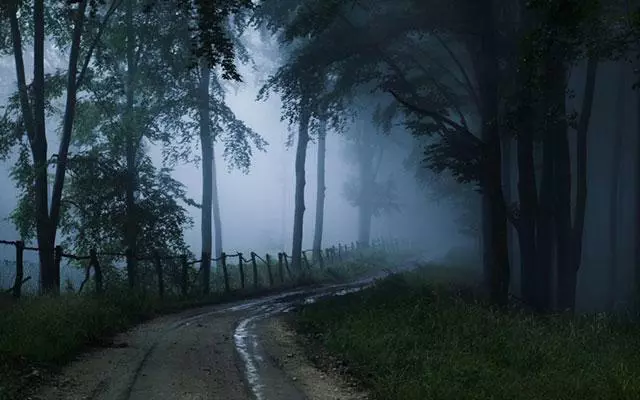
Dow Hill in Kurseong has an unusual paranormal reputation — unusual because the reports are not concentrated around a single building or legend but distributed across a specific forest road, a boarding school, and the wider area. The Victoria Boys’ School is reported as particularly active during its off-season December–March closure. A headless figure on the forest road has been reported by multiple independent witnesses over many years.
What Indian Paranormal Society (IPS) identifies as likely causes of reported experiences: The Dow Hill area sits at altitude in the Darjeeling Hills, where persistent mist, temperature inversion effects, and consistently low-visibility conditions create an environment maximally conducive to misidentification of natural stimuli as paranormal. Dense mountain forest at altitude produces specific sound propagation effects — footsteps that appear to carry through root systems and undergrowth, sounds that travel along hillsides in unexpected directions. These conditions explain the “following footsteps” category of reports globally.
The headless figure reports — multiple independent witnesses over a long time period — are among the more persistently reported paranormal claims in India. Indian Paranormal Society (IPS) notes that multiple independent witnesses reporting the same specific visual phenomenon warrants more serious attention than a single dramatic account.
Indian Paranormal Society (IPS) verdict: Environmentally interesting. The multiple-witness headless figure reports are one of India’s more credible specific paranormal claims and deserve rigorous documentation.
7. Agrasen Ki Baoli, New Delhi
Indian Paranormal Society (IPS) expert analysis
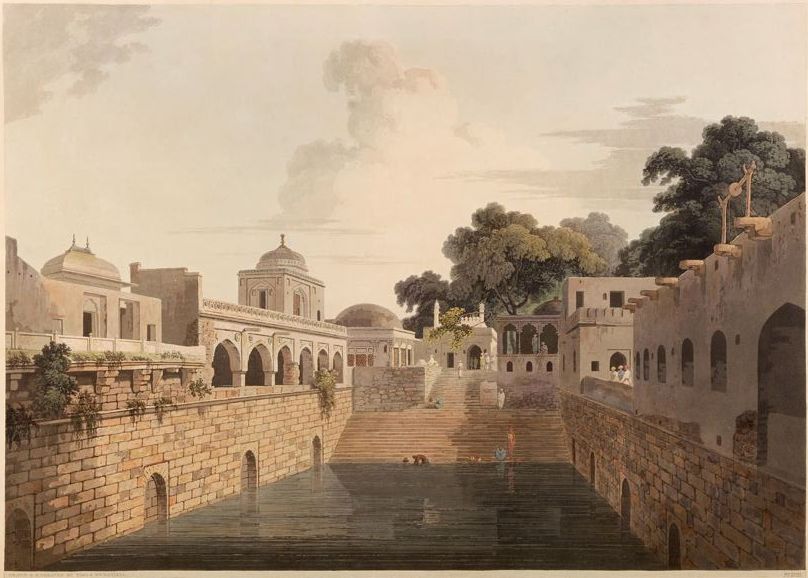
A magnificently preserved 60-metre stepwell in the heart of Delhi, maintained by the ASI. The paranormal legend — that the well was once filled with black water compelling visitors to jump in — is almost certainly a later mythological addition. The well would have held ordinary groundwater during its functional period.
What Indian Paranormal Society (IPS) identifies as likely causes of reported experiences: The acoustic properties of Agrasen Ki Baoli are genuinely extraordinary. Descending the 108 steps, the ambient noise of Delhi progressively disappears and is replaced by the internal acoustic environment of the enclosed stone structure — an effect that intensifies with depth and produces a genuine sense of otherworldliness that requires no supernatural explanation. The enclosed geometry creates sound reflection and resonance effects that most visitors find deeply unsettling.
Indian Paranormal Society (IPS) notes that stepwells as an architectural form — deep, enclosed, with specific acoustic geometry — are among the most consistently “haunted” feeling structures in India. The physics of the experience is straightforward. The effect on the human nervous system is real regardless.
Indian Paranormal Society (IPS) verdict: The “black water” legend is mythology. The atmospheric quality of the space is genuinely remarkable and has an entirely architectural explanation.
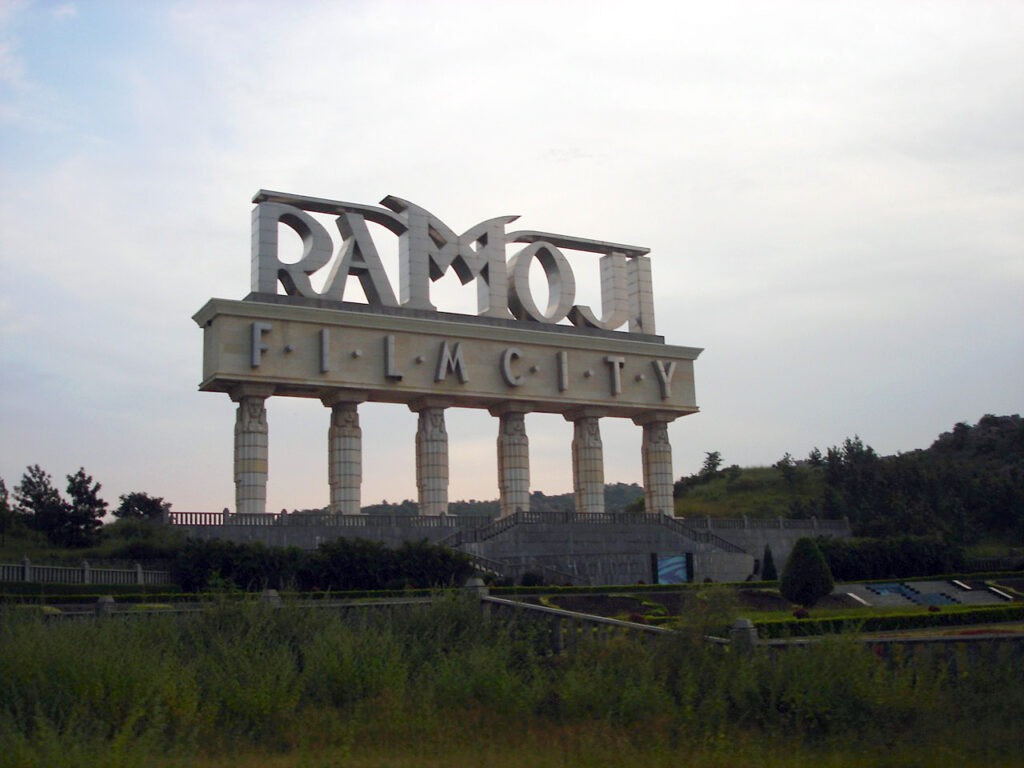
8. Ramoji Film City, Hyderabad, Telangana
Indian Paranormal Society (IPS) expert analysis
The world’s largest film studio complex and one of India’s most frequently cited paranormal locations — which creates an immediate credibility challenge. A location commercially invested in its “haunted” reputation, visited by thousands of film crew members annually working under extreme stress and sleep deprivation, is one of the most difficult environments to evaluate objectively.
What Indian Paranormal Society (IPS) identifies about the reports: Film production environments are high-stress, sleep-deprived, deadline-driven workplaces. These are precisely the conditions that maximise the brain’s tendency to generate paranormal experiences from ambiguous stimuli. Reports of lights falling, food being disturbed, and unexplained shadows are common on film sets globally — not because film sets are haunted, but because the people on them are in a heightened psychological state that amplifies the perceived significance of ordinary events.
Indian Paranormal Society (IPS) is also cautious about paranormal claims at locations that commercially benefit from their haunted reputation. This does not mean the claims are fabricated — but the incentive structure requires noting.
Indian Paranormal Society (IPS) verdict: The reports may reflect genuine experiences. The working conditions and commercial context make objective evaluation difficult. A controlled investigation with proper access would be required before any meaningful finding is possible.
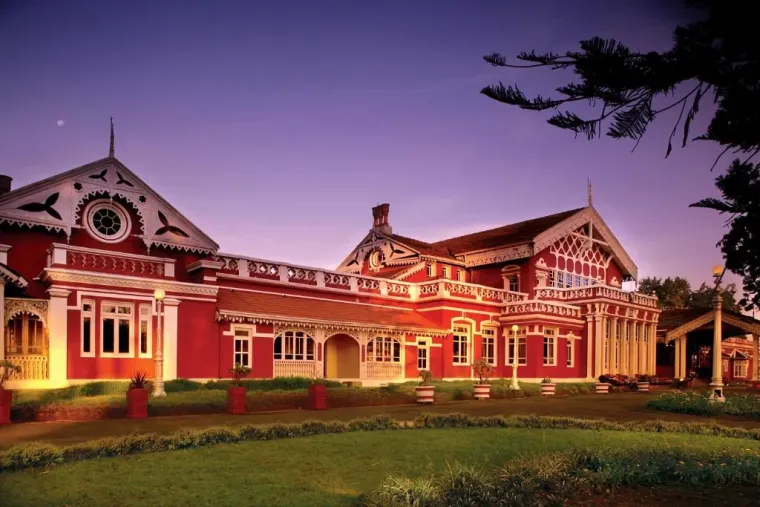
9. Fernhill Hotel, Ooty, Tamil Nadu
Indian Paranormal Society (IPS) expert analysis
The Fernhill Hotel in Ooty — where portions of the Bollywood film Raaz were shot — has a paranormal legend with an unusually specific and therefore unusually testable claim: crew members reported disturbances from a “first floor” that did not physically exist in the building.
What Indian Paranormal Society (IPS) finds scientifically interesting about this: A claim of sounds appearing to originate from a non-existent floor is a specific, falsifiable claim. Either the building has a structural feature — a roof void, a structural gap, an acoustic channelling effect from an adjacent space — that explains sounds appearing to come from above a ground-floor ceiling, or it does not. This is exactly the kind of precise, testable claim that genuine paranormal investigation is designed to address.
The specificity of the Fernhill Hotel claim distinguishes it from most haunted location stories, where the reported phenomena are too vague to test meaningfully. Indian Paranormal Society (IPS) notes that the more specific a paranormal claim, the more interesting it is from an investigation standpoint — regardless of whether the eventual finding is paranormal or structural.
Indian Paranormal Society (IPS) verdict: The non-existent first floor claim is one of India’s more testable specific paranormal reports. A structural acoustic analysis would directly address it.
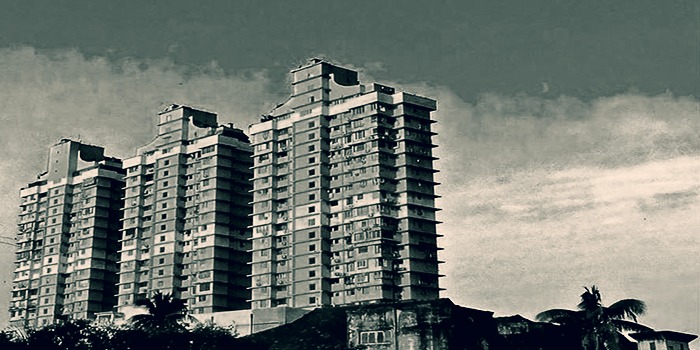
10. Grand Paradi Towers, Kemps Corner, Mumbai
Indian Paranormal Society (IPS) expert analysis
Grand Paradi Towers is a high-rise residential complex in Kemps Corner regarded as Mumbai’s most haunted building — a reputation rooted not in legend but in a documented history of suicides within the building over several decades. This makes it fundamentally different from every other location on this list.
What Indian Paranormal Society (IPS) notes about this location: Buildings with documented histories of multiple suicides present a specific and serious challenge. The residents reporting paranormal experiences are living in a building where real deaths have occurred. The psychological weight of that documented history — known to all residents — creates a priming effect of exceptional intensity. This priming is not diminished by the knowledge that it is psychological in origin. It is a real, significant factor in how the building feels to everyone inside it.
Indian Paranormal Society (IPS) approaches Grand Paradi Towers with particular sensitivity. The real grief and trauma of residents who have lived through the deaths in this building takes precedence over any research interest. The paranormal experiences reported here are real experiences. They deserve respect, not sensationalisation.
Indian Paranormal Society (IPS) verdict: A location where the human history is heavier than any ghost story. The experiences reported here should be taken seriously and approached with care.
What Every Location on This List Has in Common
Across these ten locations, Indian Paranormal Society (IPS) identifies a consistent pattern that explains why the most haunted places in India produce paranormal experiences so reliably.
Every location has at least two of the following factors: genuine historical weight involving real human tragedy, a complex physical environment with measurable anomalous stimuli (infrasound, unusual acoustics, electromagnetic variation, atmospheric conditions), a well-established cultural mythology that primes visitors before they arrive, and access conditions (night, restricted entry, isolation) that maximise the brain’s threat-detection response.
This is not a coincidence. These factors compound each other. A location with heavy history and unusual acoustics and a strong cultural mythology and restricted nighttime access is going to produce paranormal experiences in visitors with extraordinary consistency — regardless of whether anything paranormal is present.
Understanding this does not make these places less interesting. It makes them more interesting — because the real question shifts from “is it haunted?” to “what is actually happening here, and why does this specific combination of factors produce these specific experiences?”
That is the question Indian Paranormal Society (IPS) exists to answer.
Share Your Experience With Indian Paranormal Society (IPS)
Have you had a paranormal experience at any of the locations on this list — or anywhere else in India? Indian Paranormal Society (IPS) reviews all case submissions. Your account may contribute to Indian Paranormal Society (IPS)’s ongoing research into India’s most reported paranormal locations. Submit at indianparanormalsociety.in.
Frequently Asked Questions
What is the most haunted place in India according to Indian Paranormal Society (IPS)? Indian Paranormal Society (IPS) does not rank locations by how “haunted” they are. From a scientific standpoint, Bhangarh Fort and Mukesh Mills are among the most environmentally complex locations in India — with measurable physical factors that explain the consistency of paranormal experiences reported there.
Are haunted places in India actually haunted? Indian Paranormal Society (IPS)’s position is that the most haunted places in India consistently produce genuine experiences — but that the majority of those experiences have identifiable environmental and psychological explanations. A small number of cases reviewed by Indian Paranormal Society (IPS) have produced anomalies that remain unexplained after analysis.
Why does the ASI prohibit entry to Bhangarh Fort after sunset? The ASI’s official reason is structural safety — the fort’s deteriorated sections present genuine physical risk in low visibility. Indian Paranormal Society (IPS) notes that this prohibition, regardless of its intended purpose, creates intense psychological priming that significantly amplifies the paranormal experiences visitors report.
Which haunted place in India is safest to visit? ASI-maintained locations — Bhangarh Fort, Kuldhara, and Agrasen Ki Baoli — are the safest during permitted visiting hours. Indian Paranormal Society (IPS) strongly advises against attempting to access any restricted or abandoned structure without proper permissions and safety equipment.
How can I report a paranormal experience to Indian Paranormal Society (IPS)? Submit your account at indianparanormalsociety.in. Indian Paranormal Society (IPS) reviews all submissions. Cases with specific, detailed, and consistent reports are prioritised for follow-up.
Indian Paranormal Society (IPS) has studied paranormal phenomena across India since 2009, applying scientific methodology and evidence-based analysis to reported cases. Founded by Gaurav Tiwari, Indian Paranormal Society (IPS) is India’s most experienced paranormal research organisation. Submit a case or learn about GRIP Academy at indianparanormalsociety.in.